
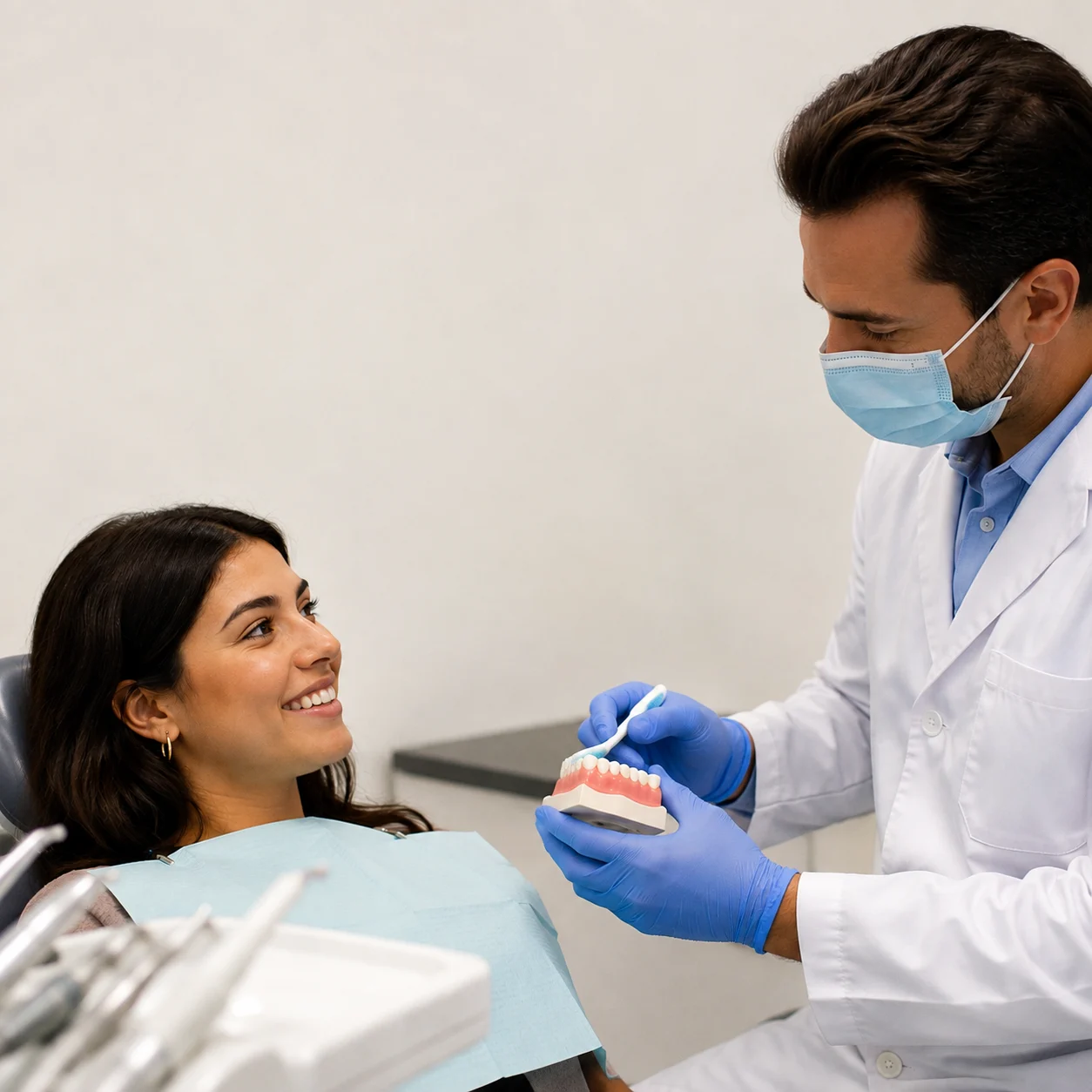
Preventative dentistry focuses on maintaining healthy teeth and gums while reducing the risk of dental problems before they develop. Through regular dental examinations, professional hygiene appointments, and personalised oral health advice, preventative care helps identify potential issues early, allowing for simpler and more effective treatment.
By combining routine dental care with good oral hygiene habits at home, you can enjoy a healthier smile for years to come. Whether it’s preventing tooth decay, reducing the risk of gum disease, or protecting your overall oral health, our preventative dentistry services are designed to help patients of all ages maintain strong, healthy teeth.

Regular check-ups allow your dentist to identify signs of decay, gum disease, and other oral health concerns before they become more serious.
Preventative treatments and professional cleanings help remove plaque and bacteria, lowering the risk of cavities.
Routine hygiene appointments help prevent gum disease and support long-term gum health, reducing the likelihood of tooth loss.
Preventing dental problems often means avoiding more complex and costly treatments in the future, helping you maintain your oral health more efficiently.
Preventative dentistry includes regular check-ups, professional hygiene appointments, fluoride treatments, and personalised advice to help prevent dental problems before they occur.
Most patients benefit from a dental examination every six months, although your dentist may recommend more frequent visits depending on your oral health.
Professional hygiene appointments remove plaque and tartar that cannot be removed by brushing alone, helping to prevent gum disease, tooth decay, and bad breath.
Yes. Early detection and routine care help prevent small problems from becoming larger issues that require more extensive treatment.
Brush your teeth twice a day with fluoride toothpaste, floss or use interdental brushes daily, maintain a balanced diet, limit sugary foods and drinks, and attend regular dental check-ups and hygiene appointments.