

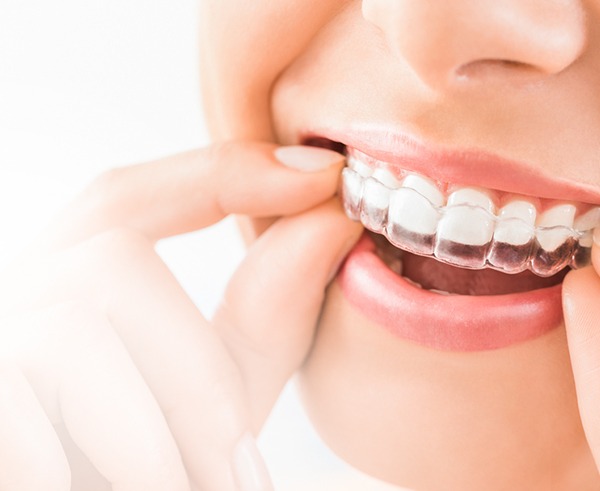
Invisalign treatment usually takes several months to around two years, depending on how complex your case is and how consistently you wear your aligners. Mild cases may be completed more quickly, while more complex crowding, spacing or bite issues often take longer.
The most accurate way to find out how long Invisalign will take for you is to have a consultation and digital assessment. Invisalign UK also explains that only an Invisalign-trained doctor can confirm your individual treatment length.
The Quick Answer For Patients Considering Invisalign
For many people, Invisalign treatment takes around 6 to 18 months, although this is only a general guide. Some very minor cases may take less time, while complex orthodontic cases can take longer.
Your timeline depends on:
- How far your teeth need to move
- Whether your bite needs correcting
- How many aligners are required
- How consistently you wear them
- How your teeth respond to treatment
- Whether refinements are needed near the end
Clear aligners work by applying controlled pressure to gradually move teeth into planned positions. The Oral Health Foundation describes clear aligners as a series of clear plastic trays that gradually move teeth.
Why Invisalign Timelines Vary So Much
Two people can both be suitable for Invisalign but have very different treatment times.
A patient with a small gap between front teeth may need far fewer aligners than someone with crowding, rotated teeth, or bite concerns. This is why estimated treatment length should always be based on your own teeth, not someone else’s experience.
Invisalign treatment is planned using a sequence of aligners. Each aligner makes small movements, and those movements build gradually over time.
Mild, Moderate & Complex Cases Explained
Mild Invisalign Cases
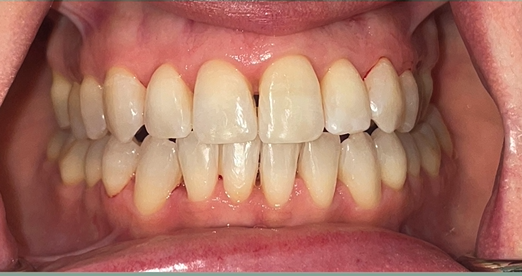
Mild cases may involve small gaps, minor crowding or slight relapse after previous orthodontic treatment.
These cases often need fewer aligners because the movements are relatively simple. Treatment may be shorter, although your dentist will still need to check that the final position is stable and healthy.
Moderate Invisalign Cases
Moderate cases may involve more noticeable crowding, spacing or alignment concerns across several teeth.
These cases often take longer because more teeth need to move and the movements need to be carefully controlled.
Complex Invisalign Cases
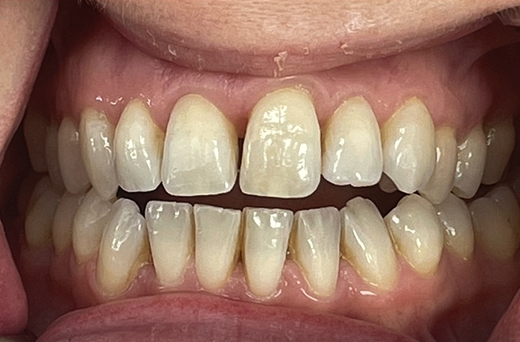
Complex cases may involve significant crowding, bite problems, rotated teeth or more challenging tooth movements.
In these situations, treatment may take longer and may require additional planning, attachments or refinements. In some cases, another orthodontic option may be more suitable, which is why a professional assessment is important.
What Can Affect How Long Invisalign Takes?
Several factors influence Invisalign treatment time.
How Often You Wear Your Aligners
Compliance is one of the biggest factors.
Invisalign aligners are removable, which is convenient for eating, brushing and flossing. However, they only work when they are worn as advised.
If aligners are left out too often, teeth may not move as planned. This can slow progress and extend treatment.
The Complexity Of Tooth Movement
Some tooth movements are easier than others.
Simple tipping movements may be quicker, while rotations, bite corrections and larger movements can take more time.
Your Age & Oral Health
Adults can have Invisalign treatment, but tooth movement may vary between individuals.
Healthy gums and good oral hygiene are important throughout treatment. If gum problems or decay are present, these may need to be addressed before or during treatment.
Whether Refinements Are Needed
Refinements are additional aligners used to fine-tune the final result.
They are common in orthodontic treatment and do not mean anything has gone wrong. They simply help improve the final alignment when teeth need extra adjustment.
What Happens During The Invisalign Treatment Process?
Although every case is different, Invisalign treatment usually follows a clear sequence.
Consultation & Suitability Assessment
Your dentist will examine your teeth, gums and bite to decide whether Invisalign is suitable.
They will also talk through your goals, concerns and expectations.
Digital Scanning & Treatment Planning
A digital scan helps create a detailed model of your teeth.
At Carlton Dental, digital scanning supports accurate treatment planning and helps patients better understand their potential Invisalign journey. You can learn more about available options through our teeth straightening treatments.
Wearing Your Aligners
Once your aligners are made, you will wear each set as instructed before moving to the next stage.
You should remove them for eating, drinking anything other than water, brushing and flossing.
Progress Reviews
Your dentist will check that your teeth are moving as planned.
These appointments help identify any issues early and allow your treatment to stay on track.
Retainers After Invisalign
When Invisalign treatment is complete, retainers are usually needed to help maintain your new tooth position.
Without retainers, teeth can gradually move again over time.
Can Invisalign Work Faster Than Braces?
Invisalign is not automatically faster than fixed braces.
Treatment speed depends on your case, the movements required and how well the aligners are worn. For some mild or moderate cases, Invisalign may be a convenient and efficient option. For more complex cases, fixed braces may sometimes be more suitable.
The NHS notes that orthodontic treatment can involve different appliances, including fixed braces and removable appliances, depending on the patient’s needs.
A consultation is the best way to compare suitable options for your teeth.
How To Help Keep Your Invisalign Treatment On Track
Patients can make a real difference to their treatment progress.
To support your Invisalign timeline:
- Wear your aligners exactly as advised
- Remove them only when needed
- Keep aligners clean
- Brush and floss carefully
- Attend review appointments
- Store aligners safely when not in use
- Tell your dentist if an aligner feels wrong or is lost
- Wear retainers after treatment as instructed
Small habits can make a big difference to the predictability of your results.
When Might Invisalign Take Longer Than Expected?
Treatment can take longer if teeth do not move as predicted or if aligners are not worn consistently.
Other reasons may include:
- Missed appointments
- Lost or damaged aligners
- Poor aligner fit
- Gum health concerns
- New dental problems during treatment
- Additional refinements being needed
- More complex movements than expected
This is why monitoring is an important part of the process.
Is Invisalign Worth The Time Commitment?
For many patients, Invisalign is appealing because it offers a discreet way to straighten teeth with removable aligners.
It can be particularly suitable for adults who want orthodontic treatment without the appearance of traditional metal braces. However, it does require commitment. If you are unlikely to wear aligners consistently, another option may be better.
Patients sometimes combine Invisalign with treatments such as teeth whitening or wider cosmetic dentistry once alignment is complete.
Frequently Asked Questions
Some minor cases may be completed quickly, but this is not suitable for everyone. Your treatment time depends on your teeth, bite and goals.
Yes, 12 months can be a normal treatment time for many Invisalign patients, especially moderate cases. Your dentist will give a more accurate estimate after assessment.
Your teeth may not move as planned, which can delay treatment and affect the fit of future aligners.
Results can last long-term, but retainers are usually needed after treatment to help prevent teeth from shifting back.
Yes, many adults choose Invisalign because the aligners are discreet and removable. Suitability depends on your oral health and the type of movement needed.
The Best Way To Know Your Invisalign Timeline
General estimates can be helpful, but they cannot replace a personalised assessment. Your Invisalign treatment time depends on your teeth, bite, oral health and how closely you follow your treatment plan.
If you are considering clear aligners and want to understand what may be realistic for your smile, Carlton Dental can talk you through your options and explain the next steps clearly.
Learn more about Invisalign and teeth straightening at Carlton Dental or contact the team to arrange a consultation.