
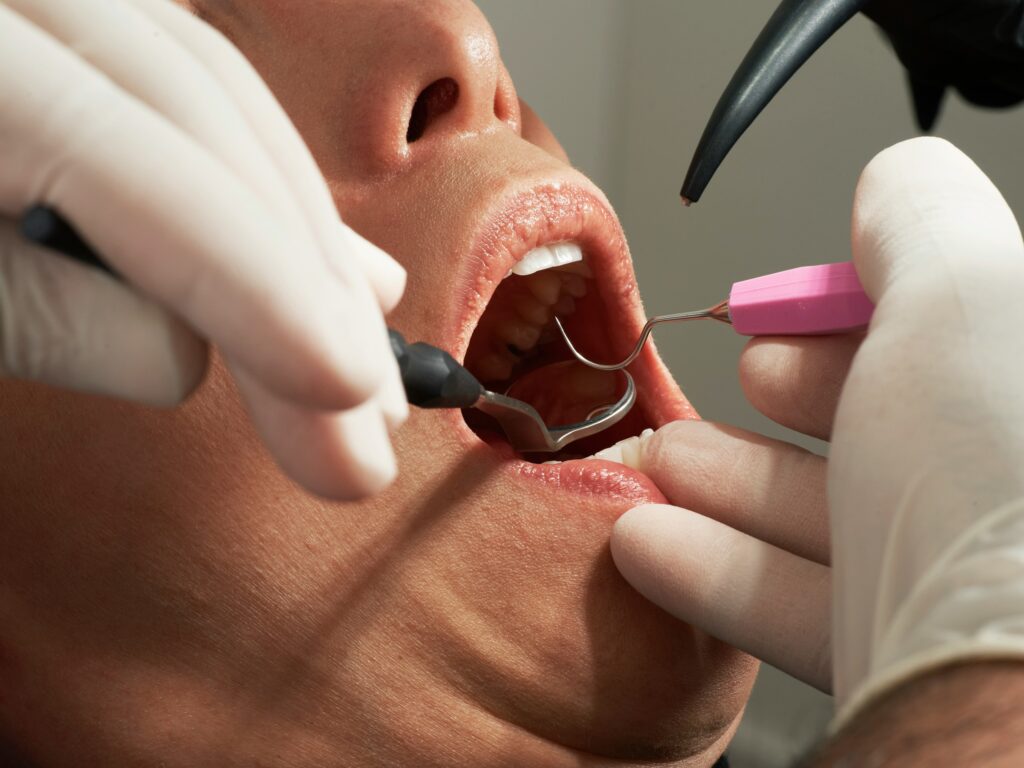
Many people know they should visit the dentist regularly, but not everyone knows exactly what happens during a routine dental check-up.
A typical dental check-up involves much more than simply looking for cavities. Your dentist will assess your teeth, gums, bite, and overall oral health, helping to identify potential problems before they become more serious. Regular examinations are one of the most effective ways to maintain a healthy smile and reduce the likelihood of needing complex dental treatment in the future.
The Short Answer: What Does A Dental Check-Up Involve?
A routine dental check-up usually includes:
- Discussing any concerns or symptoms
- Examining your teeth and existing dental work
- Assessing your gum health
- Checking the soft tissues inside your mouth
- Looking for signs of oral disease
- Recommending any necessary treatment or preventative care
- Advising when you should return for your next appointment
Most appointments are straightforward and designed to keep your oral health on track.
Why Regular Dental Check-Ups Are So Important
Many dental problems develop gradually and can be difficult to spot yourself.
Tooth decay, gum disease, worn teeth, and even infections may not cause noticeable symptoms in their early stages. By the time discomfort appears, treatment can often be more involved than if the issue had been identified sooner.
Regular check-ups allow your dentist to monitor changes over time and intervene early when necessary.
Benefits of routine examinations include:
- Early detection of dental problems
- Reduced risk of tooth loss
- Improved gum health
- Professional oral health advice
- Monitoring of existing dental work
- Greater long-term confidence in your smile
What Happens When You Arrive For Your Appointment?
Your appointment will usually begin with a conversation about your oral health.
Your dentist may ask whether you have experienced:
- Tooth pain or sensitivity
- Bleeding gums
- Problems chewing
- Jaw discomfort
- Loose teeth
- Changes in your general health
- New medications
This information helps build a complete picture of your overall health and can influence future treatment recommendations.
Examining Your Teeth
Once your dentist understands your concerns, they will carefully examine your teeth.
This examination helps identify:
- Tooth decay
- Cracked or chipped teeth
- Worn enamel
- Damaged fillings
- Signs of infection
- Changes in your bite
If any concerns are found, your dentist will explain the issue and discuss possible treatment options.
For example, small cavities may only require a simple white filling, whereas larger problems may need more advanced treatment.
Checking The Health Of Your Gums
Healthy gums are the foundation of a healthy smile.
During your check-up, your dentist will look for signs of gum disease, including:
- Redness
- Swelling
- Bleeding
- Gum recession
- Plaque build-up
Gum disease is one of the most common oral health problems affecting adults, but early treatment can often prevent long-term damage.
Your dentist may also recommend a hygiene appointment if professional cleaning would be beneficial.
Looking Beyond Your Teeth
Many patients are surprised to learn that a dental examination involves more than just teeth and gums.
Your dentist may also check:
- Your tongue
- Cheeks
- Lips
- Roof of the mouth
- Jaw joints
- Soft tissues throughout the mouth
These checks form an important part of preventative healthcare and help identify changes that may require monitoring or further investigation.
Will You Need Dental X-Rays?
Not every check-up requires X-rays.
However, your dentist may occasionally recommend them to investigate areas that cannot be seen during a visual examination.
Dental X-rays can help identify:
- Hidden tooth decay
- Bone loss
- Infections
- Impacted teeth
- Problems beneath existing restorations
If X-rays are recommended, your dentist will explain why they are needed and answer any questions you may have.
How Often Should You Have A Dental Check-Up?
There is no single answer that applies to everyone.
Some patients benefit from more frequent monitoring, while others with excellent oral health may require appointments less often.
Factors that influence recall intervals include:
- Your oral health history
- Existing dental work
- Risk of tooth decay
- Gum health
- Lifestyle factors
- Medical conditions
Your dentist will recommend a schedule that reflects your individual needs.
What If The Dentist Finds A Problem?
Finding a problem during a routine examination is not necessarily bad news.
In many cases, early detection means treatment is simpler, quicker, and more comfortable than it would be if the issue were left untreated.
Depending on the findings, your dentist may recommend:
- Monitoring the area
- Improvements to your oral hygiene routine
- A hygiene appointment
- A filling
- Gum treatment
- A crown
- Root canal treatment
The goal is always to preserve your oral health while preventing future complications.
Common Reasons People Delay Check-Ups
Many people postpone appointments because they:
- Feel nervous about visiting the dentist
- Think they have no dental problems
- Have not attended for several years
- Worry about potential treatment
In reality, routine examinations are often the best way to avoid unexpected dental issues.
The sooner concerns are identified, the more options are typically available.
How To Get The Most From Your Appointment
To make the most of your check-up:
- Mention any concerns, even if they seem minor
- Tell your dentist about any health changes
- Ask questions about your oral health
- Follow any advice given regarding home care
- Attend recommended follow-up appointments
Being proactive can make a significant difference to your long-term oral health.
Frequently Asked Questions
A routine examination should not usually be painful. If you experience sensitivity or discomfort, your dentist can adjust the examination accordingly.
Most routine appointments take between 15 and 30 minutes, depending on your needs and whether additional assessments are required.
Yes. Many dental problems develop without obvious symptoms, which is why regular examinations are important.
No. A dental check-up focuses on assessing your oral health, while a hygienist appointment focuses on professional cleaning and preventative care.
There is no need to feel embarrassed. Dentists regularly see patients returning after a long absence and will focus on helping you move forward with your oral health.
Prevention Is Always Better Than Treatment
Routine dental check-ups play an important role in protecting your teeth, gums, and overall oral health. They allow potential problems to be identified early, helping you avoid unnecessary discomfort and more complex treatment later.
If you are due for an examination or would like personalised advice about your oral health, the team at Carlton Dental can help.
Learn more about our General Dentistry services or contact us to arrange an appointment.